AI Agents Building Trust & Unlocking Scale in 2026
By late 2025, AI agents were technically capable of handling high-stakes decisions.
But many enterprises still chose to pause deployment. The reason wasn’t performance, it was accountability.
The Real Bottleneck Isn’t Intelligence, It’s Trust
For the past few years, AI conversations have been dominated by capability: model intelligence, context windows, inference speed. But across 40+ enterprise deployments we’ve reviewed, scale doesn’t break at intelligence. It breaks at trust, integration, and governance.
Today’s enterprises no longer ask: “What can this agent do?” Instead they ask: “Can we prove what this agent did, and why?”
This distinction will decide who scales in 2026 and who stalls.
Why Trust Breaks: The Behavioral Observability Gap
Traditional monitoring tracks performance: latency, accuracy, error rates.
Agents don’t predict, they decide:
Which data to retrieve
Which tools to call
Which policies to trigger
What actions to take
Whether to escalate or close a task
Executives need transparency into why agents make decisions.
One enterprise reduced agent error rates by 40%, not by upgrading models, but by implementing full decision traceability - every action auditable, every tool call logged and every policy boundary enforced
This is behavioral observability: Treating agents like operational actors whose reasoning must be transparent, not just accurate.
Non-Negotiables for 2026
Decision Traceability Pipelines Full audit trails showing how an outcome was reached, not just the output.
Policy-Aware Execution Layers Agents that can explain when they hit operational or compliance boundaries.
Continuous Behavioral Monitoring Real-time detection of drift, anomalies, or policy violations before they impact outcomes.
The Architectural Shift: Engineering for Agent Safety
Here’s what most organizations miss:
Agents fail where humans naturally infer. Humans use context, judgment, and ambiguity to fill gaps, agents do not.
To scale, enterprises must remove interpretive gaps by design.
Agent-Safe Infrastructure Means:
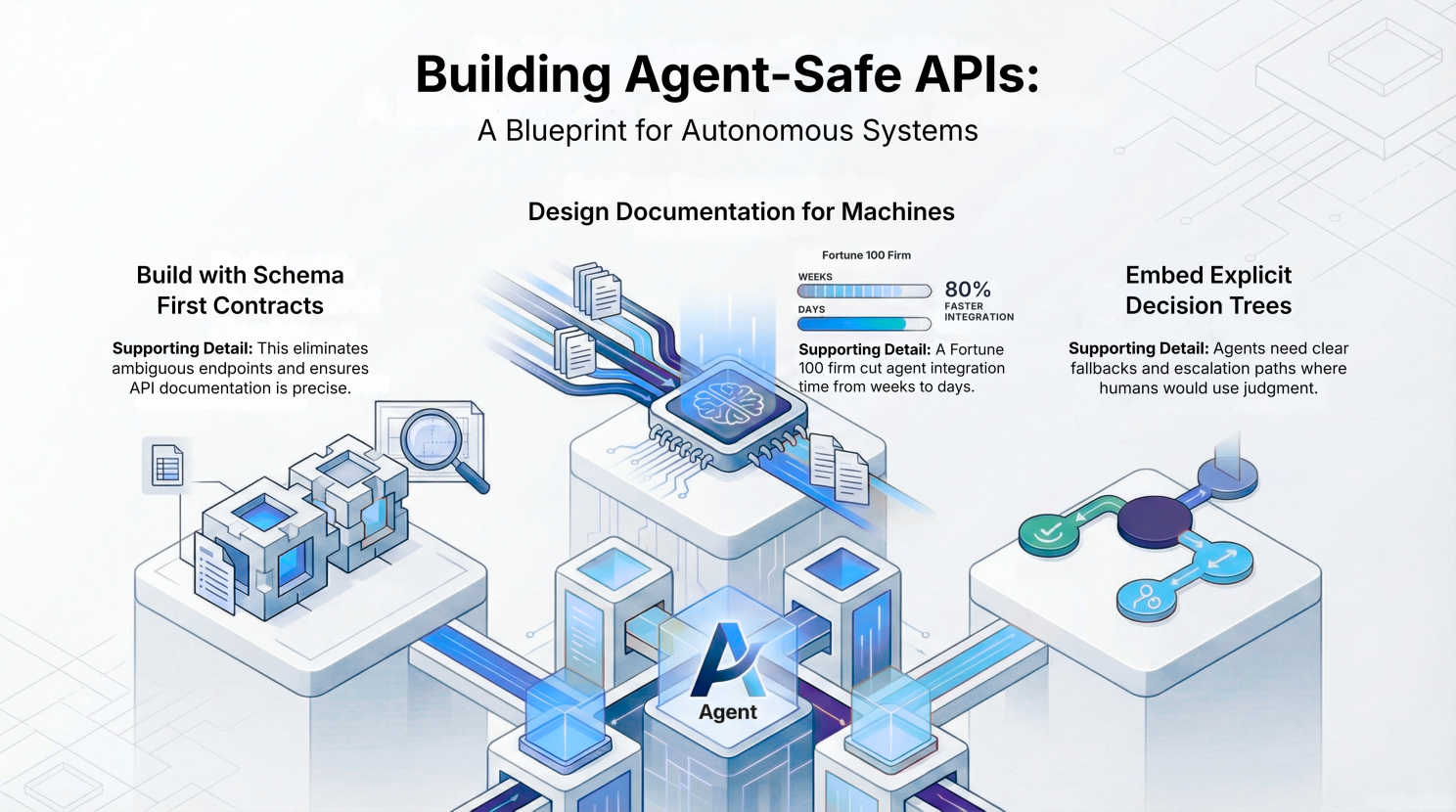
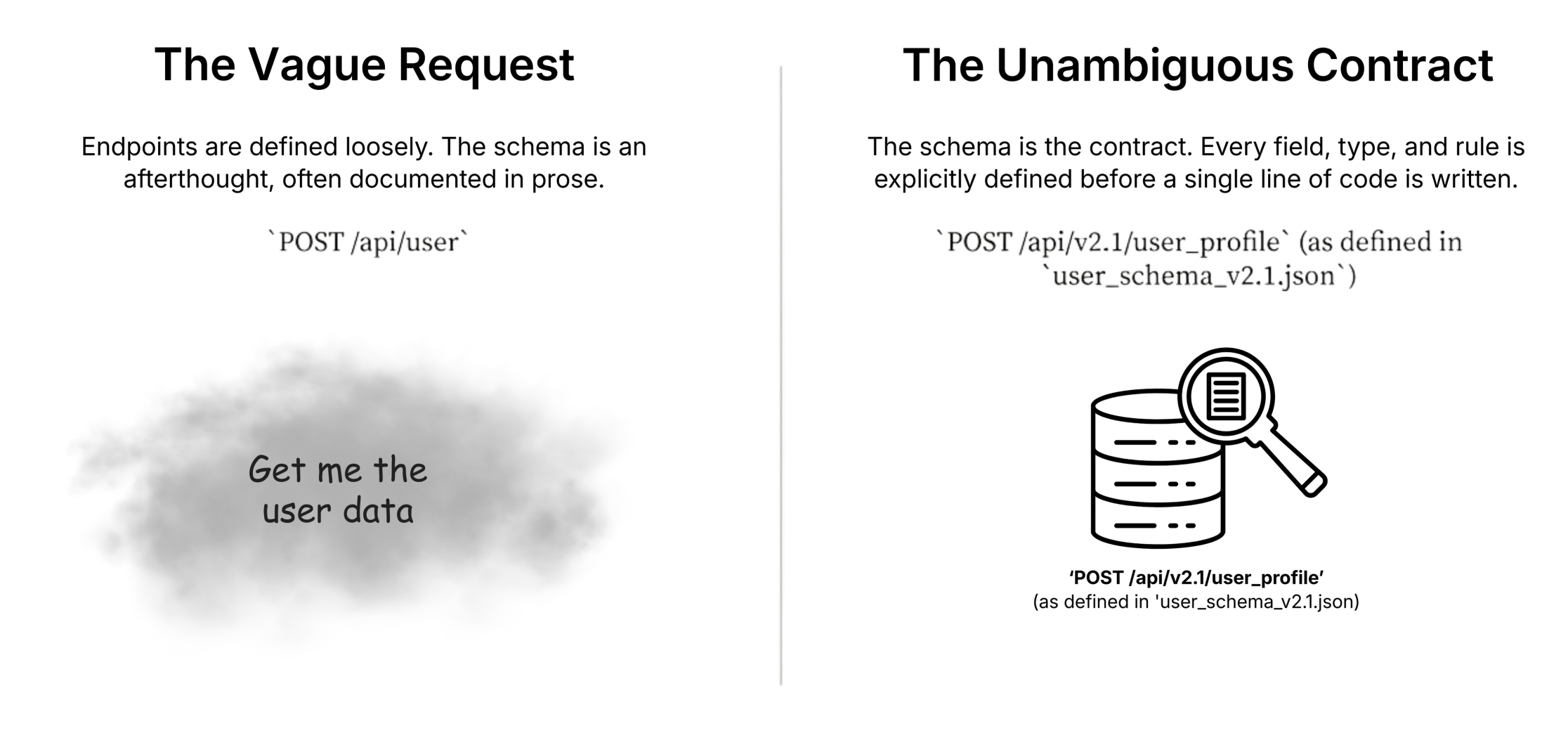
APIs built as schema-first contracts No ambiguous endpoints. No “good enough” documentation.
Documentation designed for machines One Fortune 100 manufacturer rewrote their entire API library for machine readability, agent integration time dropped from weeks to days.
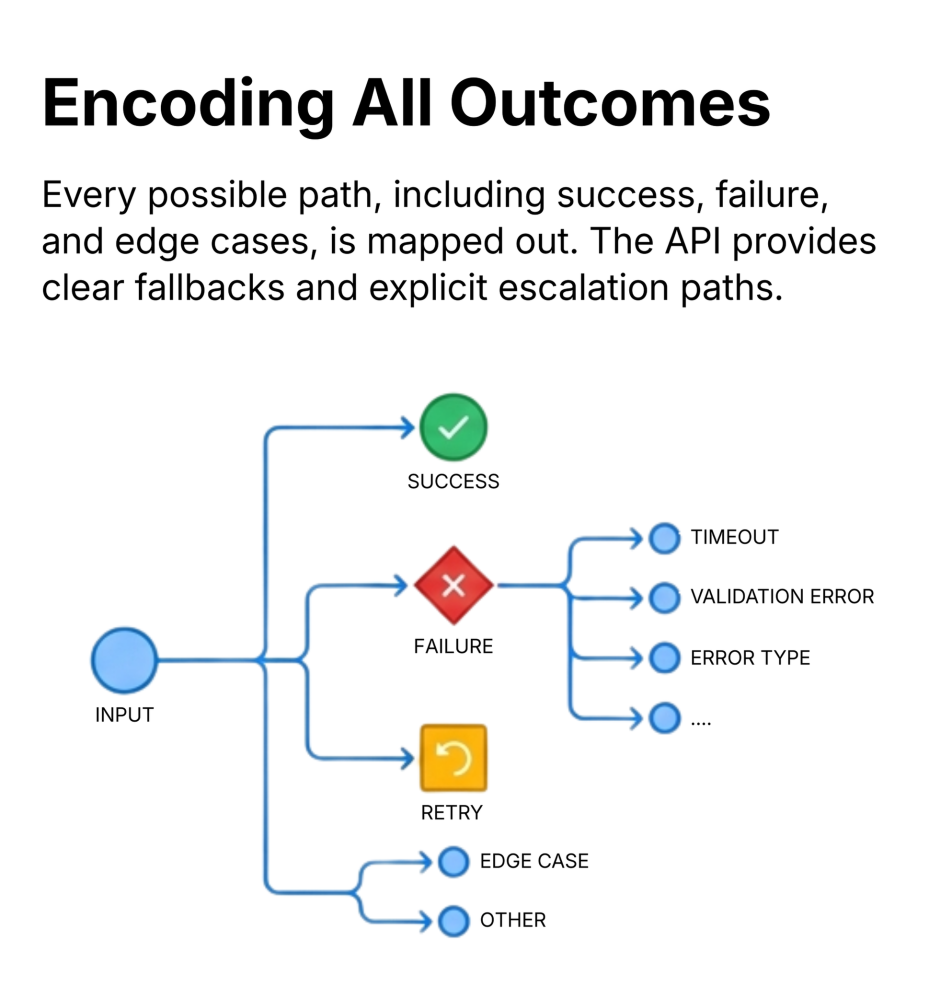
Decision trees with clear fallbacks and escalation paths Where humans use judgment, agents need explicit logic.
The companies scaling fastest aren’t those with the most sophisticated models, they’re the ones redesigning their systems to be agent-safe by default.
The Infrastructure Reality: 10x Interaction Volume
Agents generate 10–20× more system interactions than humans:
Continuous database queries during long workflows
Frequent API calls for validation and context
Persistent state and contextual continuity
Coordination with specialized agent networks
This isn’t a model problem, it’s an infrastructure problem.
Three Foundational Patterns Emerging in 2026
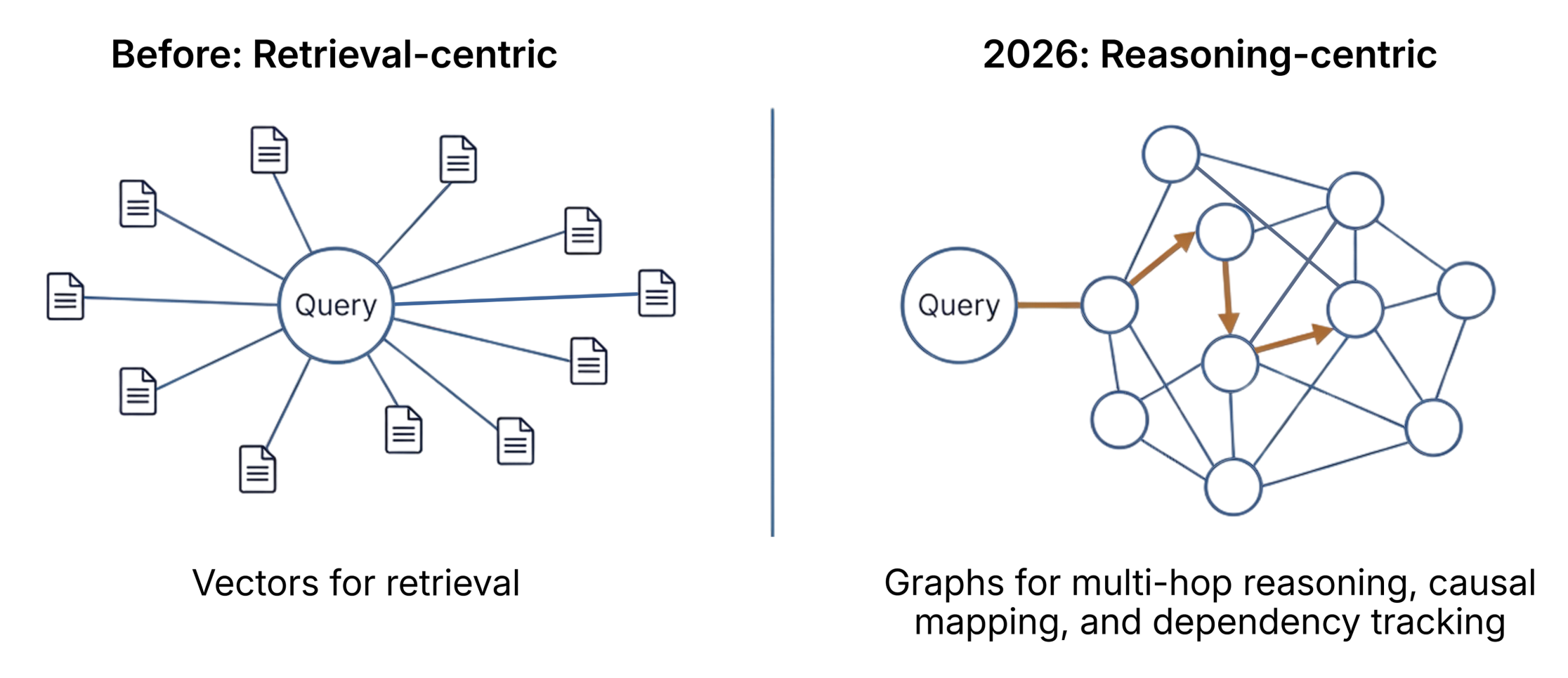
1. Hybrid Vector–Graph Architecture for Reasoning
Vectors answer “what’s relevant?”
Graphs answer “how does this connect and why?”
Enterprises are now using both: Vectors for retrieval, Graphs for multi-hop reasoning, causal mapping, and dependency tracking.
This enables agents to understand relationships, not just retrieve information.
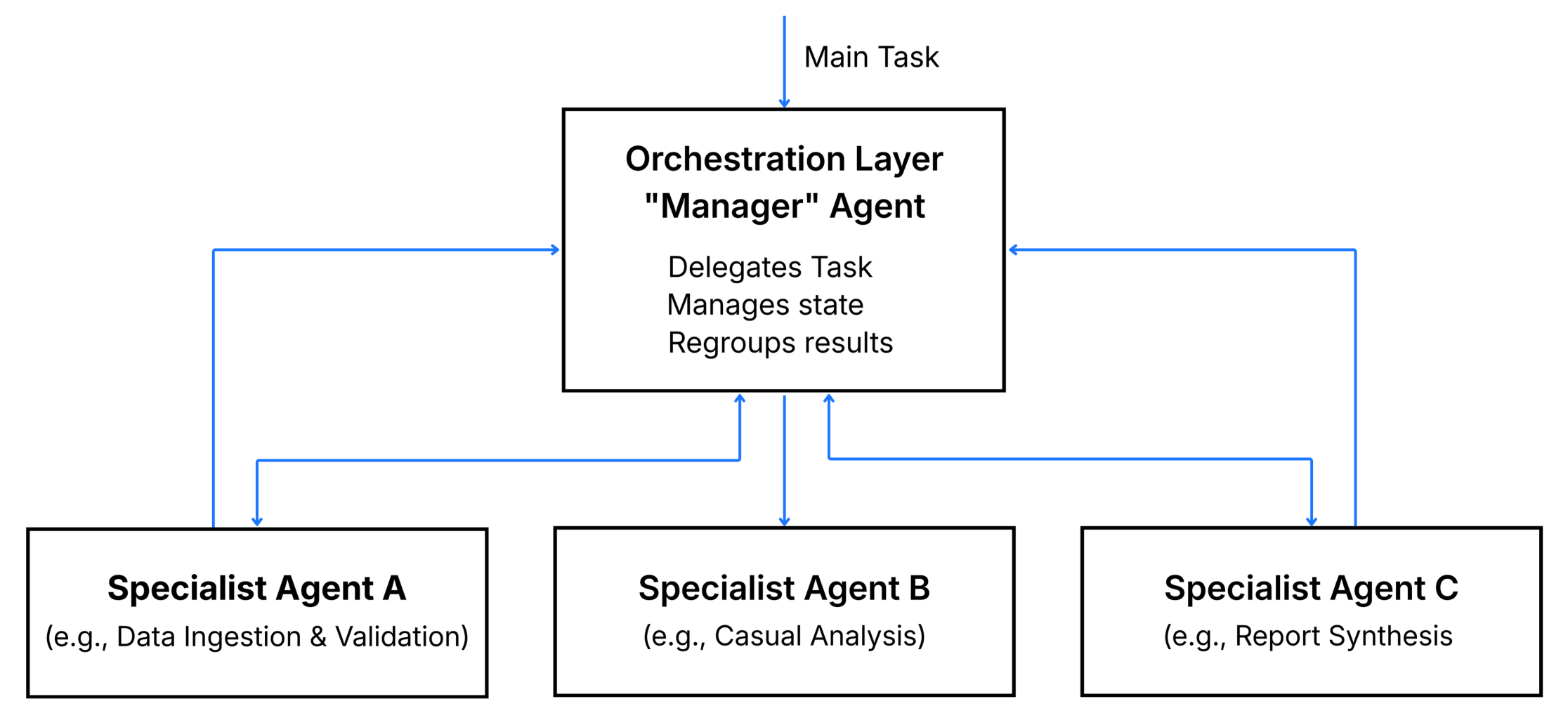
2. Multi-Agent Orchestration as Production Infrastructure
Complex business processes require:
Specialized agents with narrow responsibilities
Orchestration layers that delegate, regroup, and manage state
Escalation and retry logic
Fault-tolerant workflows
By 2026, multi-agent frameworks are moving from labs to production-grade platforms.
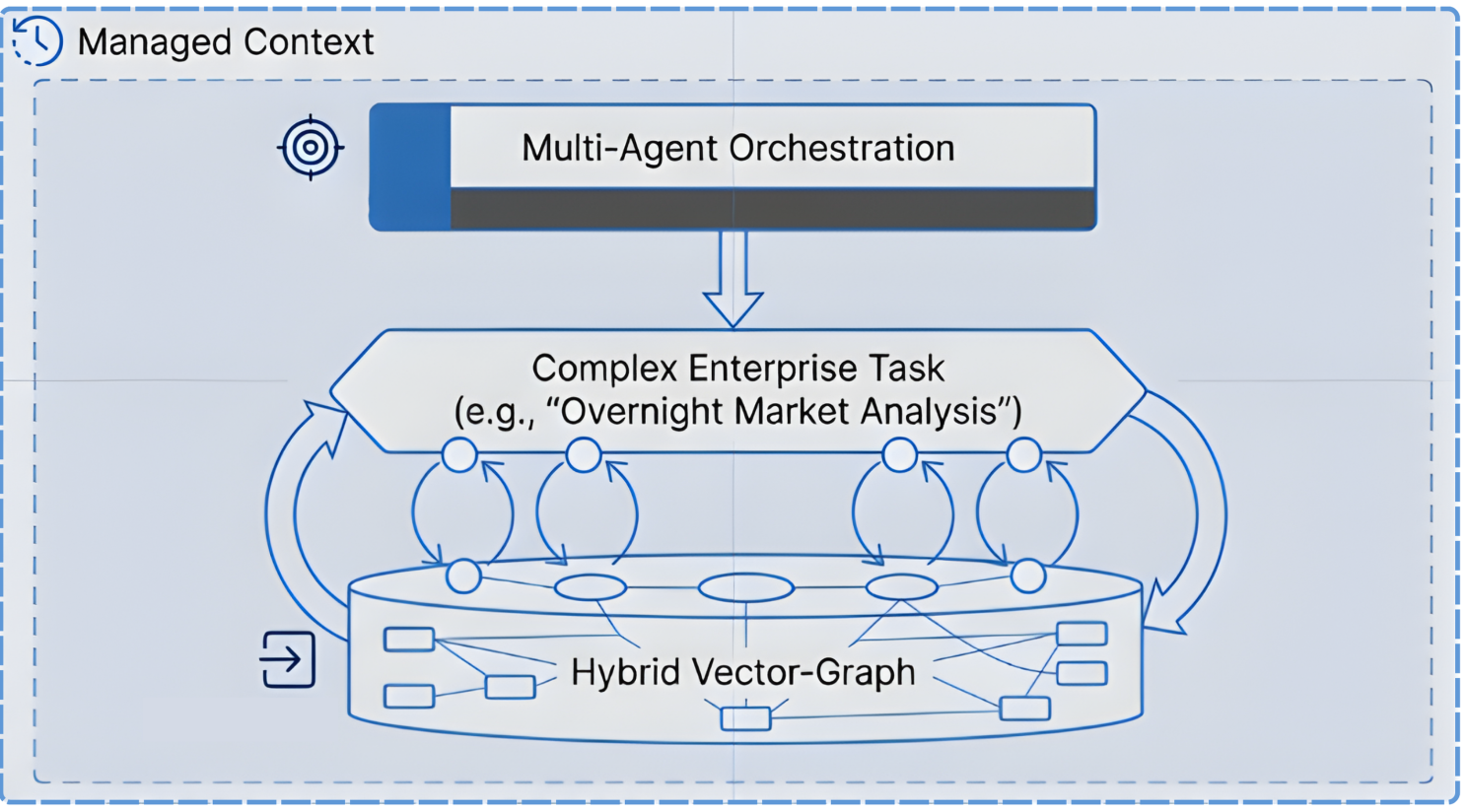
3. Context Management as a Deliberate Discipline
Longer model context windows help, but don’t solve everything.
In 2026, smart context tooling will be a core capability, handling:
Deliberate context injection
Prioritization of relevance
Session continuity over eight-plus hours
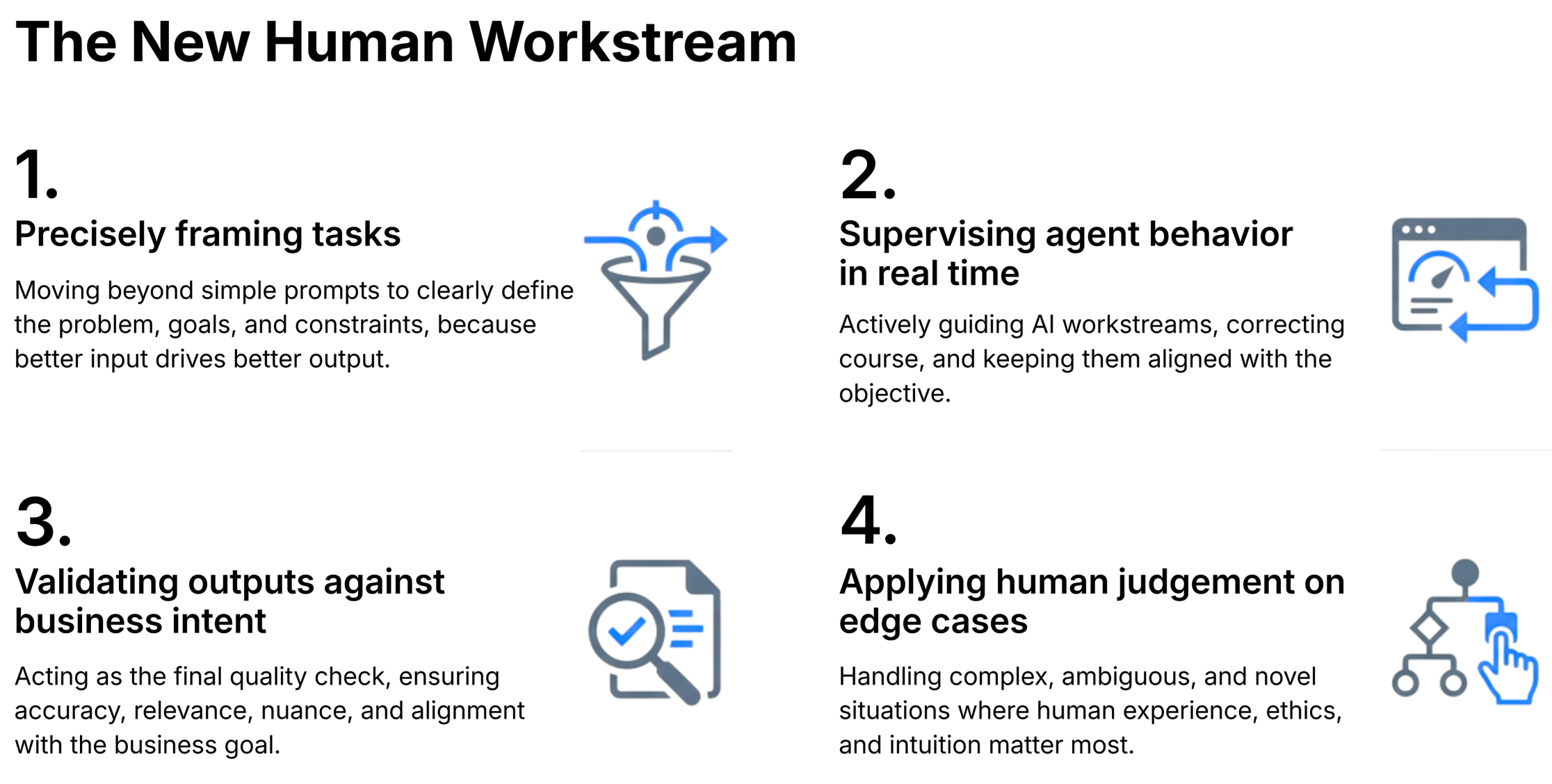
From Executors to Supervisors: Role Inversion at Scale
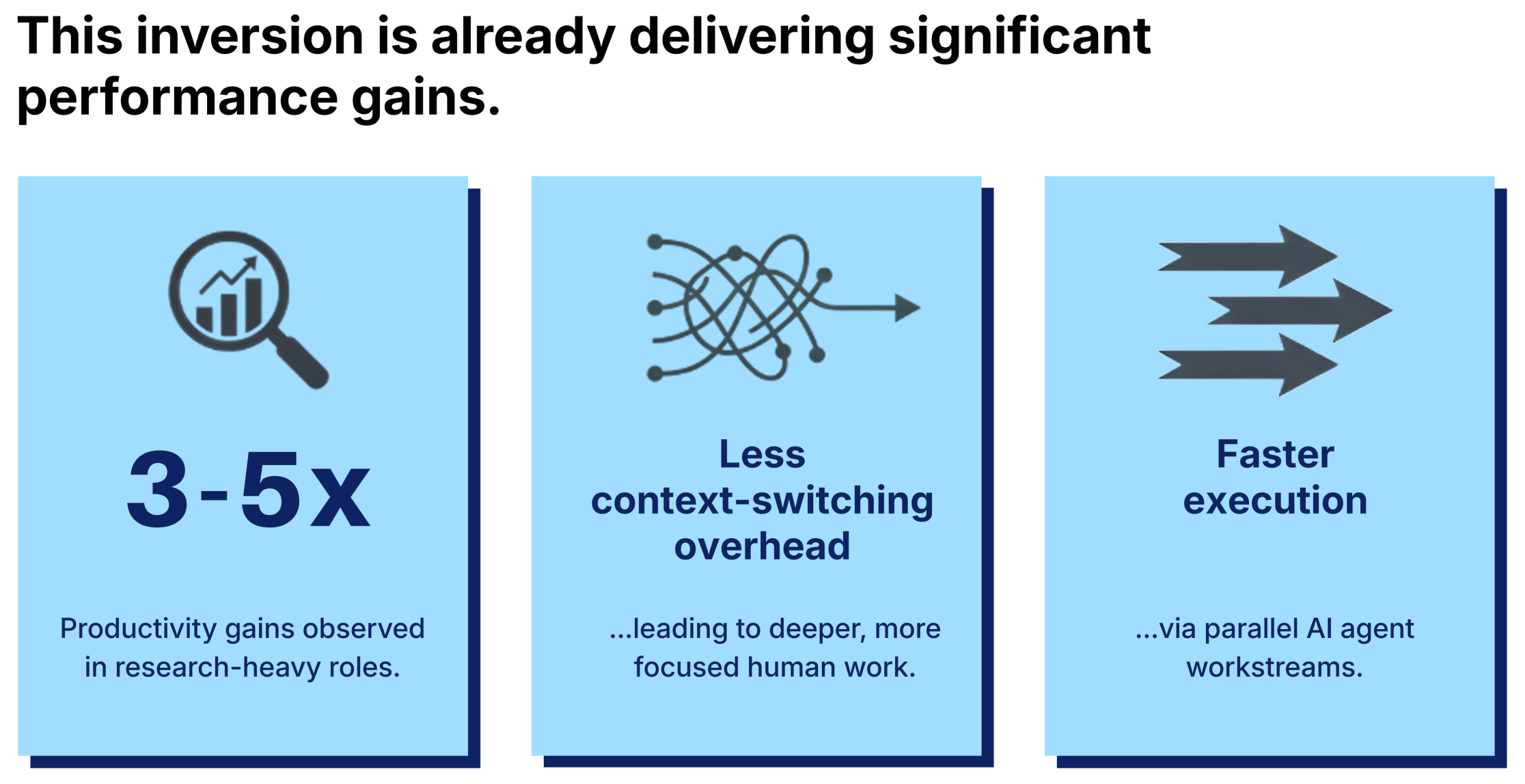
AI agents are not replacing workers en masse. They’re inverting work roles.
But the real change isn’t raw speed, it’s where human effort goes. Execution is handled by agents. Humans move upstream.
What’s Coming in 2026
Here’s what will dominate adoption this year, not just talk:
1. Enterprise Observability as the Trust Layer
Behavioral observability will become a requirement for scaled agent deployment. If you can’t explain agent decisions to auditors, regulators, or boards, adoption will stall.
2. APIs Designed for Agents, Not Humans
APIs and integrations will be built with explicit contracts, strict schemas, and machine semantics, not prose.
Flexible endpoints will become enterprise liabilities.
3. Multi-Agent Ecology, Not Monoliths
The winner in 2026 won’t be the largest model, it will be:
Hardened multi-agent platforms
Standardized inter-agent communication (A2A)
Composable agent networks woven into operations
4. Context Engineering as a Discipline
Context will be treated as a managed resource:
Prioritized
Curated
Maintained
Scoped per workflow
This replaces the naive hope that bigger context windows solve everything.
5. Governance by Design
Compliance will move left:
Agents will have policy boundaries baked in
Drift detection and auto-rollback will become standard
Silent failures will be unacceptable
6. Role Redesign, Not Tool Adoption
By year-end, organizations that invest in human-agent collaboration design will outperform those that focus on agent deployment metrics.
Agents are amplifiers, not replacements.
The Strategic Choice
AI agents will not scale because they are intelligent. They will scale because enterprises engineer:
Trust before autonomy
Contracts before cleverness
Context before compute
Outcomes before experimentation
2026 will separate organizations that:
Deploy agents as tools from those that:
Operate with agents as a core capability
In the age of agents, scale is not a technology problem. It’s an operating model decision.
As enterprises connect AI agents to live workflows, security risks extend beyond the model. Learn how prompt injection, excessive access, weak governance and poor oversight can expose business systems—and how leaders can secure AI agents from the start.
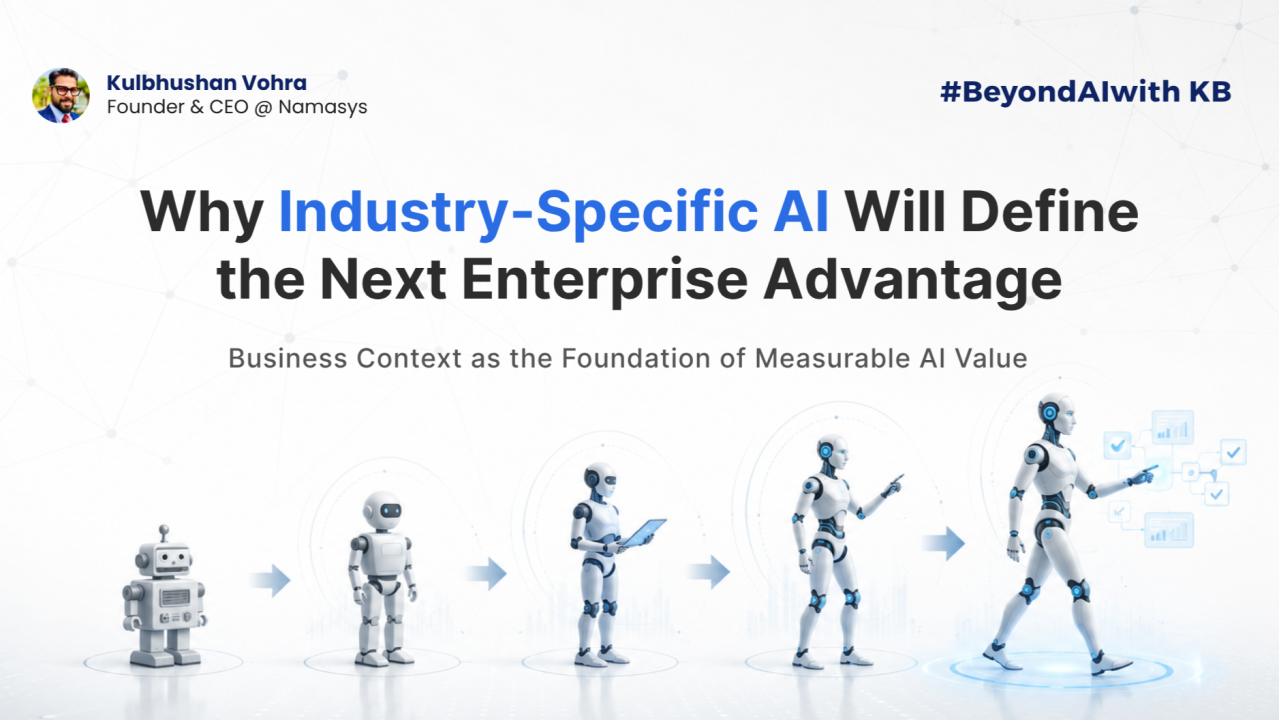
Generic AI improves productivity, but industry-specific AI creates measurable business value by combining enterprise data, workflows, governance and domain expertise. Explore why context will define the next phase of AI adoption.
Namasys Powers What’s Next for Your Enterprise
Bring clarity, efficiency, and agility to every department. With Namasys, your teams are empowered by AI that works in sync with enterprise systems and strategy.